Odor is not a smell floating in the air. It is physical residue sitting on your surfaces and absorbed into your porous materials, releasing continuously. That single fact explains why almost every DIY attempt fails.
Why The Smell Came Back Last Time
If you have already tried something, it was probably an air freshener, an ozone generator, or a cleaning service, and it probably worked for two or three weeks. Here is what happened.
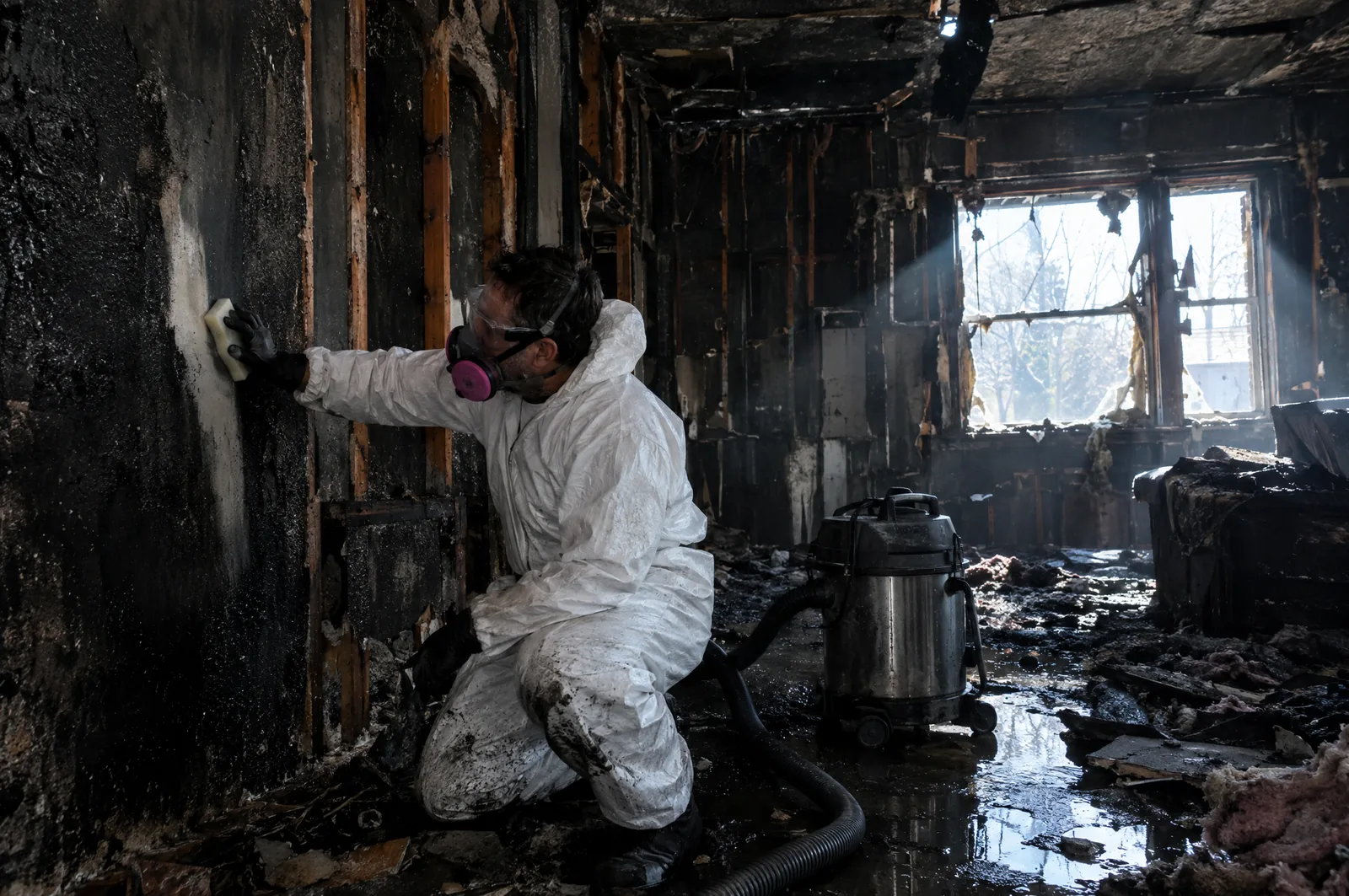
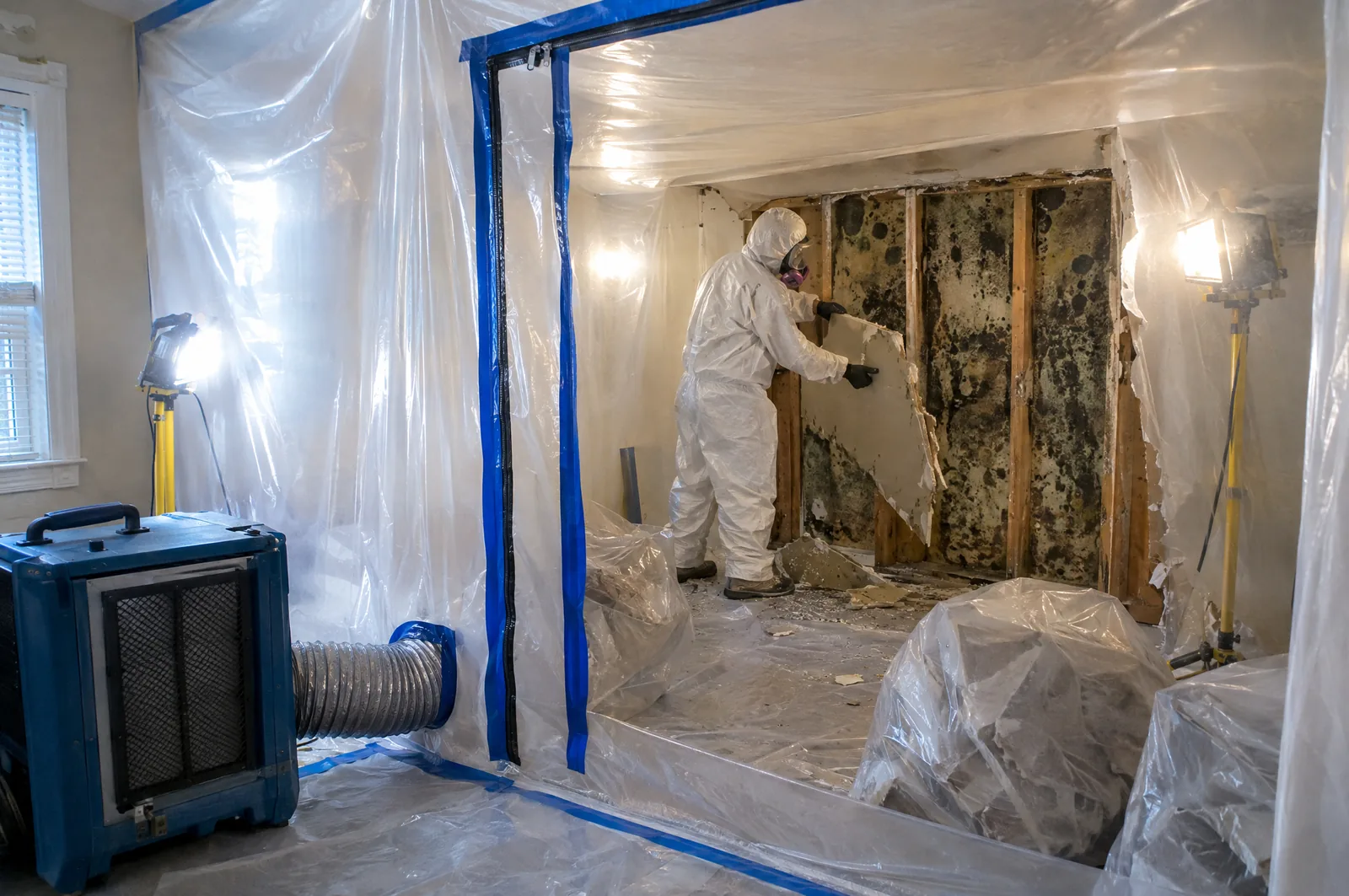
The treatment addressed odor molecules in the air and on exposed surfaces. It did not remove the residue inside the drywall, in the insulation, in the carpet pad, or coating the inside of your ductwork. That residue kept releasing. Once the treatment dissipated, the source was still there, still working.
You cannot deodorize your way past residue that is still present. Source removal first, treatment last, every time.
The Duct System Is Usually The Culprit
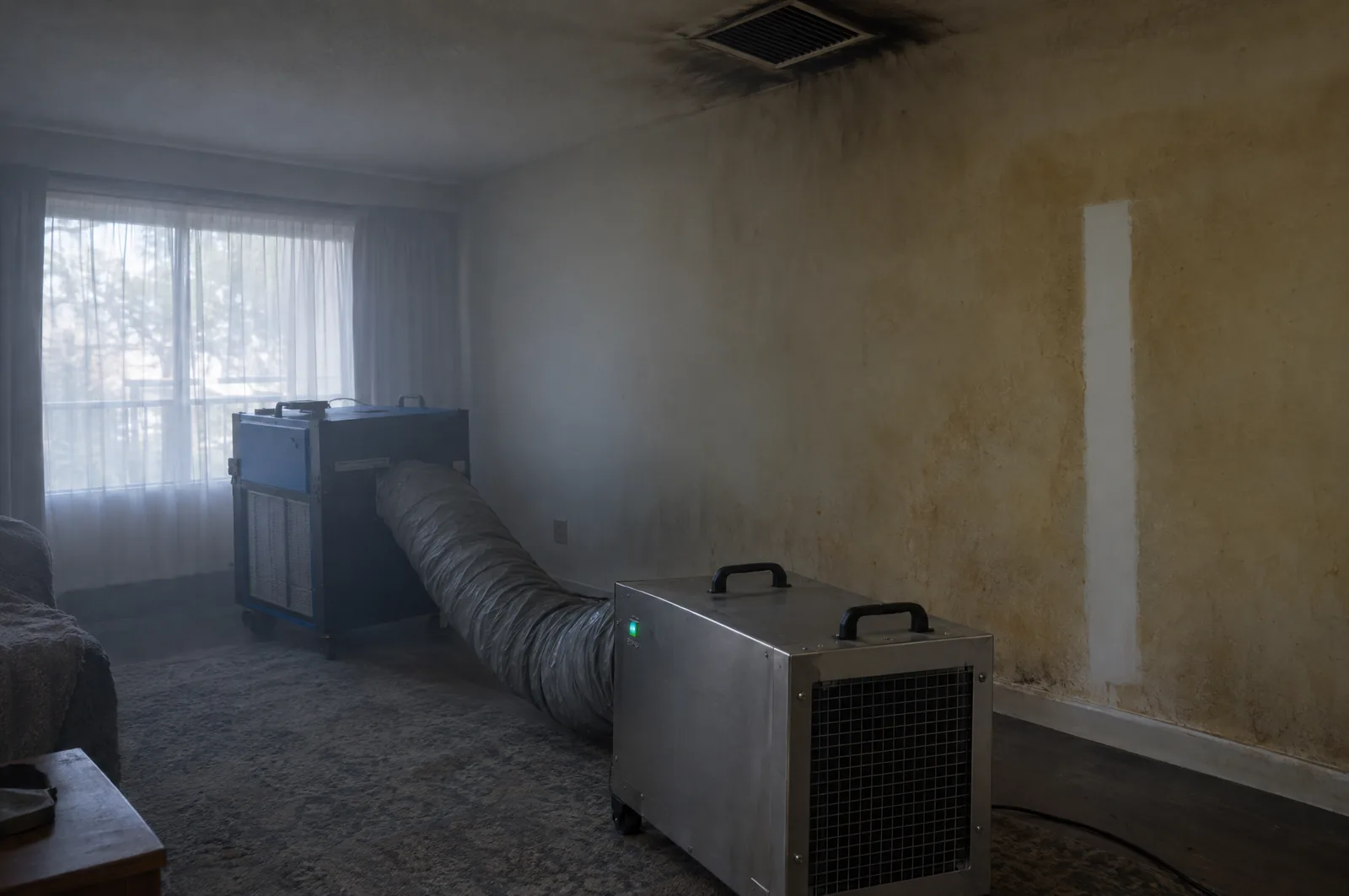
Smoke moved through your house on air currents, and a running HVAC system is the biggest air current in the building. It pulled smoke in, pushed it through every duct run, and coated the inside of the system.
Clean every room perfectly, leave the ductwork alone, and the first cold night undoes the whole job in about twenty minutes. If your smoke odor reliably returns when the heat kicks on, this is why.
Residue Type Decides The Method
- Dry smoke — fast, hot, wood-fed fire. Powdery residue, cleans relatively well, travels far.
- Wet smoke — low, smoldering fire involving plastics or rubber. Sticky, smeary, strong odor, and it will spread permanently across a surface if cleaned with the wrong method.
- Protein residue — kitchen and cooking fires. Nearly invisible, extremely pungent, bonds tenaciously, and gets scrubbed deeper by well-meaning homeowners.
- Furnace puff-back — oily soot distributed through the entire duct system. Common through Western Washington heating season.
Matching the method to the residue is not a nicety. Using the wrong one is how a cleanable surface becomes a replacement line on the claim.
Get Help Now
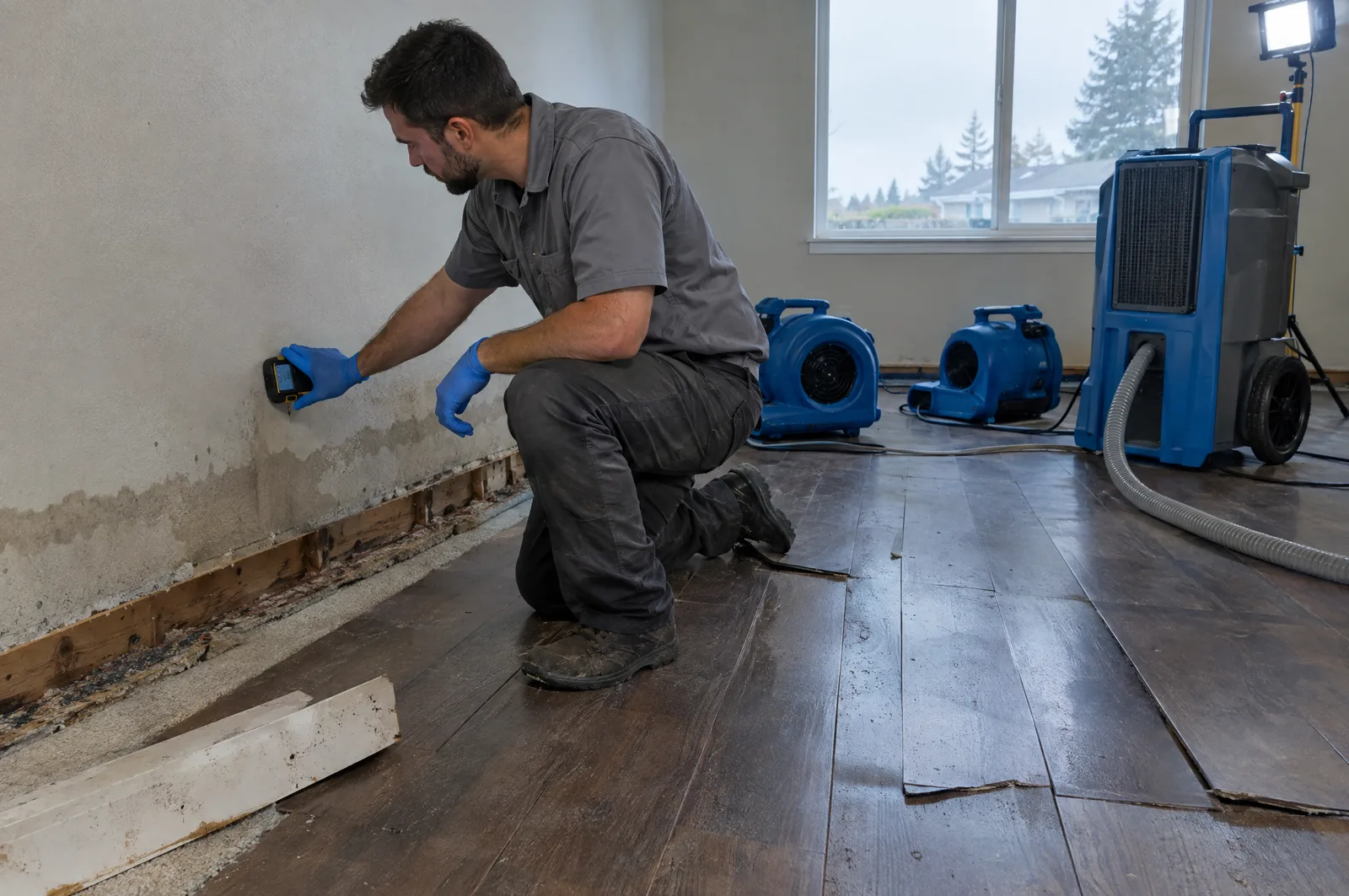
Call us. We identify the residue, remove the source, decontaminate the HVAC, and then treat. 24/7 across Tumwater and Thurston County.